
Texas Roadhouse is a staple for many families because they offer high-quality, hand-cut meat at a reasonable price. When you walk through the doors, the smell of the grill and the legendary rolls can make it hard to focus on your health goals. While steak is a fantastic source of protein, it can also come with a heavy dose of salt and fat if you don’t know what to look for.
Staying on track with your diet in 2026 doesn’t mean you have to skip the steakhouse entirely. By understanding the nutritional profile of different cuts, you can enjoy a massive boost of iron and B vitamins without overdoing the calories. This guide will help you navigate the menu so you can leave feeling satisfied rather than weighed down by a heavy meal.
How Many Calories are in Your Favorite Cut of Steak?
The total calorie count for your dinner depends heavily on the specific cut and its size. At a place like Texas Roadhouse, portions can range from a modest 6 ounces to a massive 23 ounces, meaning your meal could stay around 300 calories or soar past 1,000 before you even touch a side dish. Understanding these differences is the first step toward making a mindful choice that aligns with your lifestyle.
It’s tempting to think that all beef is roughly the same, but the amount of “marbling” or intramuscular fat varies wildly between a leaner sirloin and a fatty ribeye. Larger isn’t always better for your health, especially when a single steak might contain your entire day’s recommended sodium intake. Using an interactive Texas Roadhouse nutrition calculator is a great way to see how these numbers stack up before you sit down at the table.
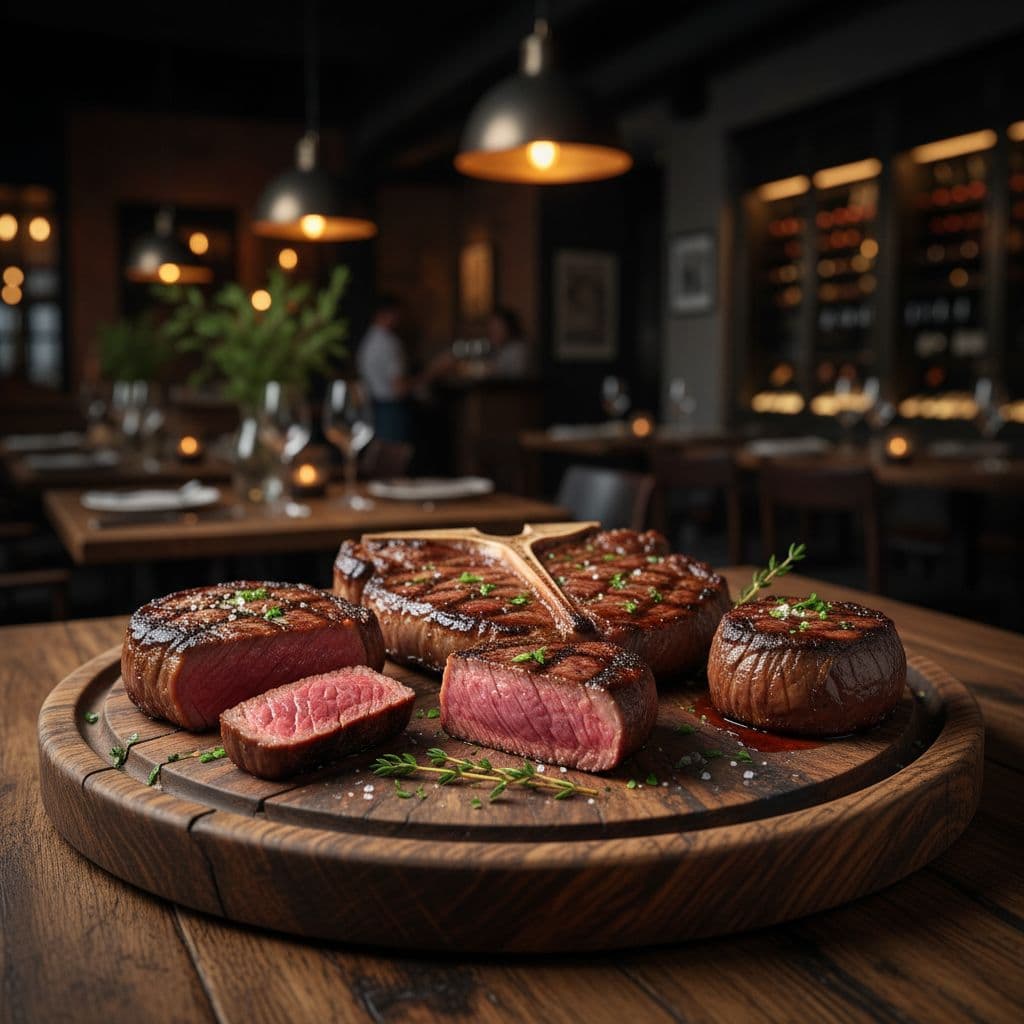
Leanest Choices Like the Sirloin and Dallas Fillet
If you want the best bang for your buck in terms of protein, the 6-ounce Sirloin is the gold standard. At roughly 250 calories, it’s one of the leanest options on the menu. It provides a dense amount of muscle-building protein with very little waistline-expanding fat. Even the slightly larger 8-ounce version keeps things reasonable at around 340 calories, making it a favorite for those watching their weight.
For something a bit more tender, the Dallas Fillet is another excellent choice. The 6-ounce fillet clocks in at approximately 270 calories. Because this cut is naturally more tender than the sirloin, it doesn’t need as much fat to taste great. These lean cuts are significantly lower in calories than their larger counterparts, and they leave more room in your daily budget for a tasty side dish.
Higher Fat Options Like Ribeyes and Porterhouse Steaks
On the other side of the spectrum, we have the “flavor-first” cuts like the Ft. Worth Ribeye. Ribeyes are famous for their marbling, which gives them a juicy, buttery texture. However, that fat comes at a cost. A 10-ounce ribeye starts at 740 calories, and the 16-ounce version can easily top 1,000 calories. When you consider that many of these are also highly seasoned, the sodium levels can be quite high for a single meal.
The Porterhouse T-Bone is the ultimate indulgence, essentially combining a New York Strip and a Fillet into one massive 23-ounce portion. This beast of a meal packs about 1,040 calories. While it’s a protein powerhouse, the sheer volume of fat and salt makes it a difficult choice for anyone monitoring their heart health. If you are curious about how these compare to standard retail cuts, you can look at the USDA Nutrient Data Set for Retail Beef Cuts to see the baseline values for different types of beef.
Hidden Nutritional Pitfalls Beyond the Steak
Even if you choose the leanest sirloin on the menu, your total meal calories can spiral out of control because of the “extras” that often go unnoticed. A steak dinner is rarely just a steak. Between the butter used on the grill, the seasonings, and the appetizers, it’s easy to accidentally consume an extra thousand calories without realizing it.
Most diners forget that the kitchen often brushes steaks with a heavy coat of butter or oil to give them that signature shine and flavor. Furthermore, many of the flavor enhancers like “smothering” your steak with sauteed onions, mushrooms, and jack cheese can add roughly 220 calories to your plate. If you want to keep things light, asking for your steak to be grilled without the extra butter brush can save you 50 to 100 calories immediately.
The Impact of Butter and Seasoning
The seasoning used at the Roadhouse is delicious, but it’s loaded with sodium. High salt intake can lead to water retention and increased blood pressure, which might leave you feeling bloated the next day. If you are sensitive to salt, you can ask for light seasoning. This allows the natural flavor of the beef to shine through while keeping your heart health in mind.
Butter is another silent contributor. Besides the brush used on the steak, many people add butter to their vegetables or potatoes. A single tablespoon of butter adds about 100 calories. When you combine this with the seasonings and any added toppings like gravy or cheese, a “healthy” steak can quickly transform into a high-fat meal that rivals a double cheeseburger in total calories.
Rolls and Side Dishes Can Double Your Calories
The biggest challenge for most people is the basket of fresh rolls. Each roll, especially when swiped through the honey cinnamon butter, averages about 227 calories. If you eat three of them while waiting for your order, you’ve added nearly 700 calories before your main course even arrives. Keeping track of these can be the difference between meeting your goals and overshooting them.
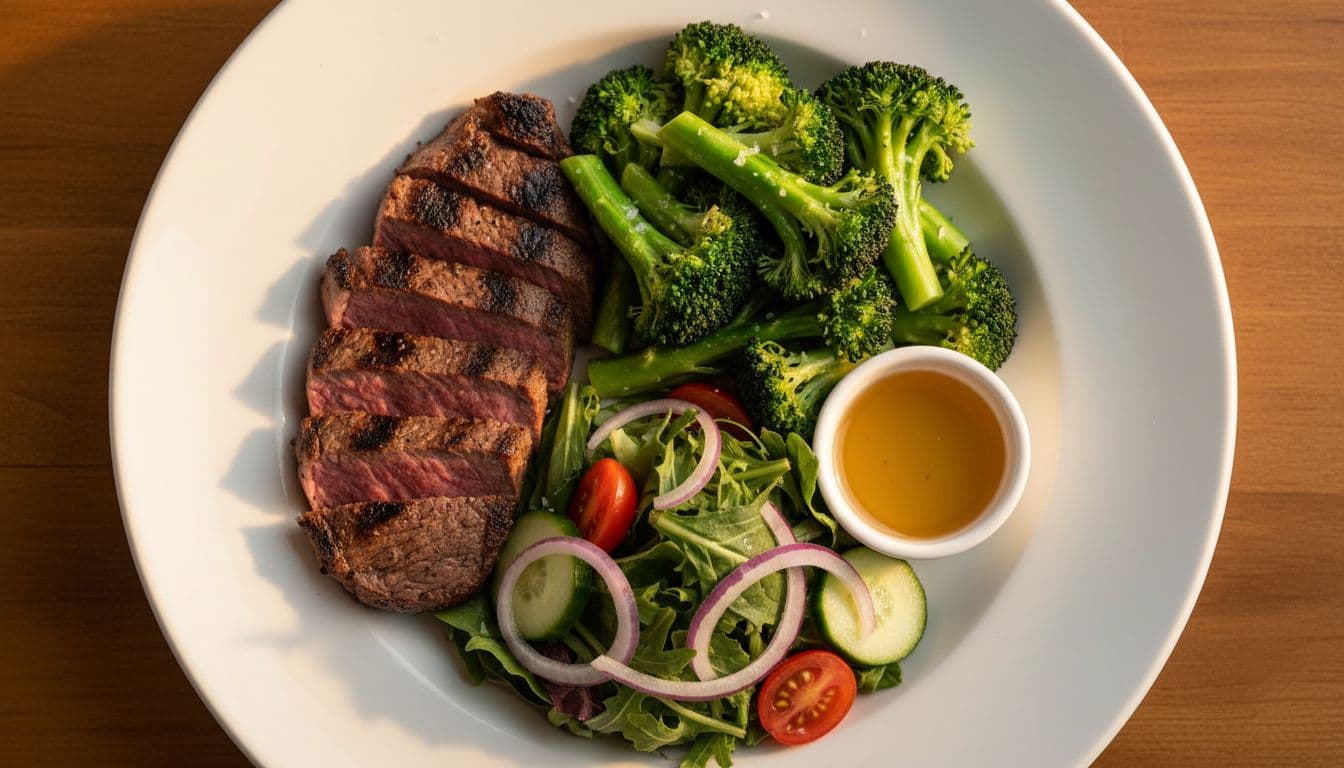
Choosing the right sides is also vital. A loaded baked potato with butter, sour cream, cheese, and bacon can exceed 500 calories. In contrast, choosing steamed broccoli (40 calories) or a house salad with a light vinaigrette keeps the meal balanced. According to the USDA Beef and Veal nutritional poster, a standard three-ounce serving of lean beef is a very efficient way to get nutrients; the sides are what usually tip the scales.
Where to Find Accurate Texas Roadhouse Steak Nutrition
If you want to be precise about your intake, it’s always best to look up the data directly. Most people find that checking nutrition facts before heading to the restaurant helps them stay disciplined once they see the menu. You can find comprehensive tables on the official website, usually in the form of a downloadable PDF or an interactive menu.
Many popular fitness apps like MyFitnessPal also have these items pre-loaded, but be careful with “user-generated” entries as they might not be current. For the most accurate and up-to-date information, checking the interactive online ordering menu is usually your best bet. It typically lists calorie ranges for different sizes of the same cut, allowing you to see exactly how much you are adding to your plate. Taking a few minutes to calculate calories in Texas Roadhouse steaks ensures there are no surprises when you step on the scale the next morning.
Conclusion
Understanding the nutritional profile of your meal doesn’t have to take the joy out of eating out. By selecting leaner cuts like the sirloin or the Dallas fillet, you can enjoy a high-protein feast that fits into almost any diet plan. The trick is to stay aware of the “hidden” additions like rolls, butter, and heavy side dishes that can quickly inflate your daily intake.
A night at the steakhouse is a great way to reward yourself, and with these tips, you can do so while staying on track with your health goals. Focus on the quality of the meat, choose green vegetables whenever possible, and perhaps enjoy just one of those famous rolls instead of the whole basket. With a little bit of planning, you can have a delicious dinner that fuels your body and satisfies your cravings without any of the guilt.