
Macaroni and cheese is the ultimate comfort food staple at Texas Roadhouse. Whether you are ordering from the kids’ menu or picking a hearty side for your steak, its creamy texture makes it a fan favorite. While it tastes like home cooking, it is helpful to look at what is actually in that bowl.
Understanding the nutritional profile of your favorite sides helps you enjoy your meal without any surprises later. When you look at the texas roadhouse mac cheese nutrition, you will find a mix of calories, fats, and sodium that play a big role in your daily intake. This guide breaks down those facts clearly so you can make the best choice for your next visit.
By knowing the numbers behind the flavor, you can balance your plate effectively. Most diners love the richness of this dish, yet the salt and fat content can add up quickly. Let’s look at the ingredients and data that make this cheesy side so popular yet nutrition-heavy.
What exactly is in the Texas Roadhouse Mac and Cheese?
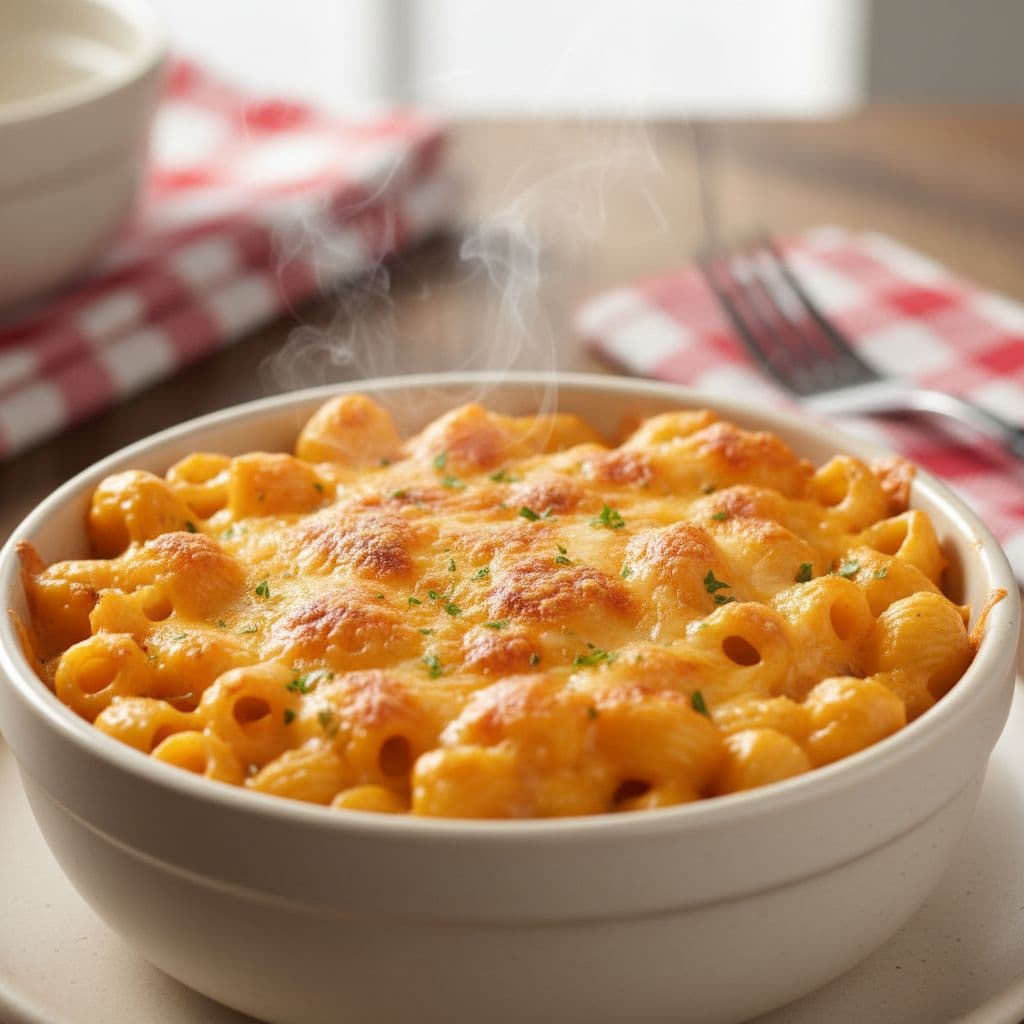
The recipe style at Texas Roadhouse focuses on a creamy, stove-top version of the classic dish. Unlike some Southern styles that go into the oven with a breadcrumb topping, this version features smooth elbow macaroni tossed in a rich, melted cheese sauce. The sauce uses a blend of cheddar and American cheese to achieve that signature gooey consistency.
Since it does not have a baked crust, the texture stays consistent and velvety from the first bite to the last. This preparation method ensures every piece of pasta is fully coated in sauce, which is why it feels so satisfying. However, that heavy use of processed cheese and dairy is also where most of the calories and sodium originate.
Many frequent visitors might wonder about the specific dietary breakdown of their entire meal. For those interested in more than just the sides, checking out Texas Roadhouse nutritional research can provide a wider view of how different entrees compare. While the mac and cheese is a vegetarian-friendly side, it is certainly one of the richer options available on the menu.
Understanding the Nutrition Facts and Calories
When you order a 5-ounce adult side serving, you are looking at roughly 270 to 300 calories. If you choose a larger portion or find it served in a different bowl size, that number can climb toward 380 calories. To put this into perspective, eating this side dish is roughly equivalent to eating three or four slices of standard white bread in one sitting.
The fat content is a major factor here, with about 15 grams of total fat per serving. About 9 grams of that is saturated fat, which is the type you should generally limit for heart health. This high fat content gives the dish its legendary creaminess, but it also accounts for a significant chunk of your daily recommended intake.
On the positive side, this dish does provide about 10 to 15 grams of protein. While protein is helpful for feeling full, it is accompanied by roughly 31 to 37 grams of carbohydrates. Most of these carbs come from the white pasta, which lacks the fiber found in whole grains. You can see more details on these specific values in the table below.
| Nutrient | Typical Side Serving |
|---|---|
| Calories | 300 – 310 |
| Total Fat | 15g |
| Saturated Fat | 9g |
| Sodium | 870mg |
| Carbohydrates | 31g |
| Protein | 10g |
As you can see, the calorie count is modest compared to a full steak, but the fats and sodium are high for a small side. If you want to see how these numbers stack up against other restaurant versions, you can view the Mac and Cheese stats from Nutritionix. This data helps clarify why this dish feels so heavy even though the portion size looks small.
Sodium and Heart Health: Why is it so salty?
One of the most eye-opening parts of the nutrition label is the sodium. A single serving contains about 870mg of salt. For an average adult, this is nearly 40 percent of the daily recommended limit in just one side dish. If you add this to a seasoned steak and a buttered roll, you might exceed your entire daily salt limit in one meal.
The salt doesn’t just come from the cheese sauce; the restaurant typically seasons the pasta water and may use salted butter in the mix. While salt is a flavor enhancer that makes the cheese pop, it is a concern for those monitoring their blood pressure. Balancing this high sodium with plenty of water during your meal is a smart move.
The Kids Menu Option: Kraft Mac vs. House-Made
Parents should know that the children’s menu often differs from the adult side menu. At many locations, the “Junior Skiddoo” meal features Kraft Mac and Cheese instead of the house-made version. While Kraft is a familiar childhood favorite, it has its own nutritional profile to consider.
The Kraft version typically sits around 300 calories and 10 to 13 grams of fat. Interestingly, the sodium remains high even in the kids’ version, often hitting that 870mg mark. This is quite a lot for a child, especially if they also enjoy the free rolls. Choosing a fruit cup or steamed vegetables alongside the mac can help balance the meal for younger diners.
How to Fit Mac and Cheese into a Balanced Meal
You don’t have to skip the cheesy goodness entirely if you plan your order carefully. Since the texas roadhouse mac cheese nutrition profile is high in fat and salt, you can offset this with your main course. Pairing the mac and cheese with a lean protein like the 6-ounce Dallas Filet or a grilled chicken breast is much better than pairing it with a fatty ribeye.
Instead of double-cheesy or fried sides, choose a high-fiber vegetable for your second side. Steamed broccoli or a plain baked potato (without the “loaded” toppings) provides better balance for your digestive system. These choices add bulk and nutrients without piling on more saturated fat.
Portion control is another useful tool for enjoying this dish. Since the server often brings out two rolls per person first, it is easy to overeat before the mac and cheese even arrives. Try eating half your side at the table and taking the rest home for lunch the next day. This simple trick cuts your immediate calorie and sodium intake in half while letting you enjoy the taste twice.
Final Thoughts
The mac and cheese at Texas Roadhouse is a delicious, creamy treat that defines comfort dining. While it is high in sodium and saturated fat, knowing the facts allows you to enjoy it as an occasional indulgence. By choosing leaner entrees and adding green vegetables to your plate, you can balance the heavy hits from the cheese sauce.
Small adjustments, like managing your roll intake or sharing a side with a friend, make a big difference. Staying informed about what is in your food is the best way to enjoy the restaurant experience while still looking out for your health. Next time you visit, you can dig into those cheesy noodles with total confidence in your choices.
Can you imagine your next steak dinner without that side of mac? For most, it is an essential part of the experience that just needs a little bit of planning.