
Ordering chicken sounds simple, but Texas Roadhouse chicken nutrition can swing a lot from one plate to the next. A grilled breast with vegetables is a different meal than fried chicken with gravy, a roll, and a loaded potato.
If you’re trying to watch calories, hit a protein goal, or keep sodium in check, the details matter. A few menu choices can turn chicken into a lighter dinner or a heavy one fast. That starts with how it’s cooked, then moves to toppings, sauces, and sides.
A quick look at Texas Roadhouse chicken nutrition facts
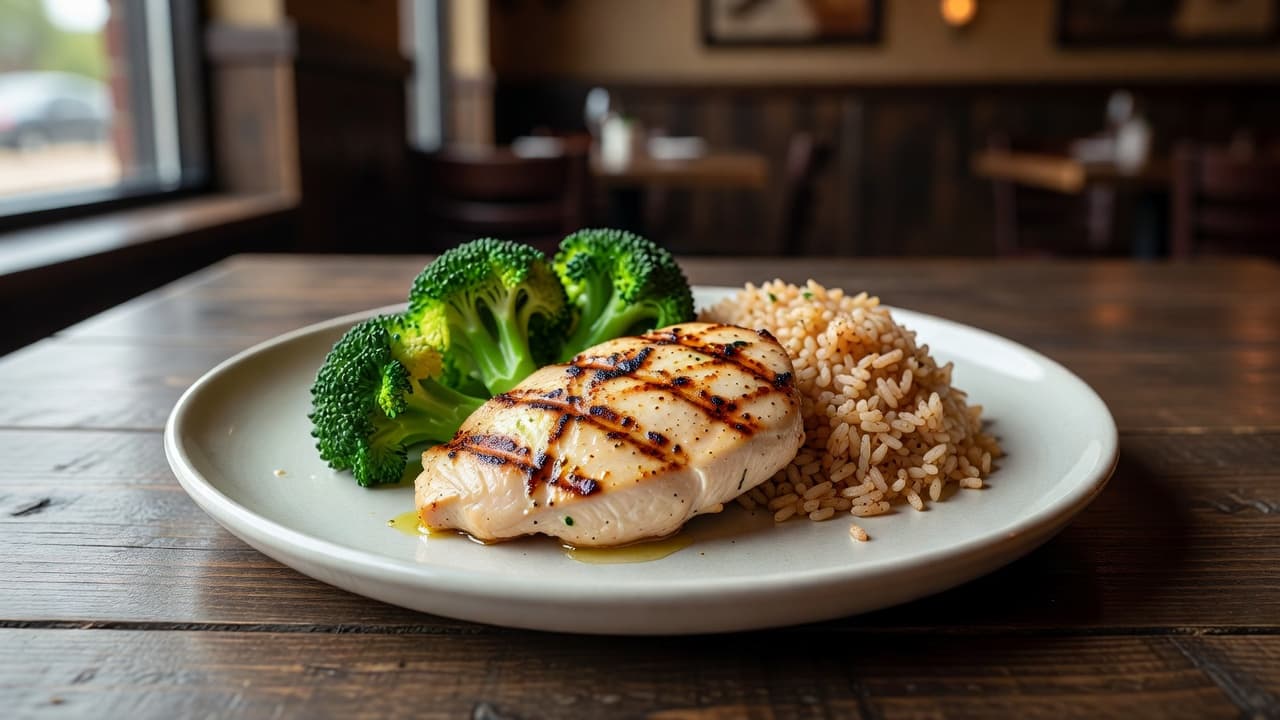
Chicken is often one of the better protein picks on the menu, but it isn’t automatically light. Grilled options usually land lower in calories and fat, while breaded or smothered dishes climb quickly. Side dishes matter too, because fries, mashed potatoes, rolls, and butter can add a lot before you notice.
Why the same chicken dish can have very different numbers
The chicken itself is only part of the story. Breading adds carbs and oil. Butter and cheese raise fat. Bacon, gravy, and house sauces can push sodium much higher. As a result, two chicken entrees can offer similar protein but feel miles apart on a nutrition label.
The nutrients most people care about first
Most people check calories and protein first, and that makes sense. Calories affect your total intake, while protein helps fullness and muscle repair. Total fat and saturated fat matter more if you’re trying to eat lighter or support heart health. Carbs rise when breading or sugary sauces show up, and sodium can sneak up fast with seasoned toppings. For side-by-side numbers, a Texas Roadhouse chicken nutrition calculator can help before you build the rest of the meal.
How the most popular Texas Roadhouse chicken dishes compare
A few well-known chicken entrees show how wide the gap can get. These values are approximate per entree, and they can change with portion size or custom add-ons.
| Dish | Approx. calories | Approx. protein | What changes the meal |
|---|---|---|---|
| Herb Crusted Chicken | 260 | 47g | Leaner grilled-style option |
| Grilled BBQ Chicken | 300 | 46g | Sauce adds some sugar and sodium |
| Smothered Chicken | 580 | 52g | Cheese and toppings raise fat and sodium |
| Chicken Critters (dinner) | 690 | 47g | Fried coating adds carbs and fat |
| Country Fried Chicken | 770 | 40g | Breading and frying make it much heavier |
The big pattern is easy to spot. Protein stays strong across several dishes, but calories, fat, and sodium jump when breading and rich toppings pile on.
Grilled chicken choices are usually the lighter pick
Grilled chicken usually wins on calories and fat because it skips the breading and fryer oil. That makes herb-crusted or BBQ-style chicken a better fit for a high-protein meal. Still, butter glazes and sweet sauces can shift the final total, so grilled doesn’t always mean low-calorie.
Breaded or fried chicken brings more calories and carbs
Fried chicken tends to bring more carbs because of the coating, and it often absorbs more fat during cooking. That combination drives calories up fast. Large fried portions can also be less filling per calorie, especially if the plate comes with a rich side and dipping sauce.
Loaded chicken plates can push sodium much higher
Smothered or loaded chicken can look harmless because the base is still chicken. However, cheese, bacon, mushrooms, onions, gravy, and creamy sauces stack up fast. Sodium is often where these meals get heavy first, even before you factor in the side dishes.
How sides and extras change your total meal nutrition
The entree is only half the picture. A moderate chicken order can turn into a heavy meal once you add a roll with butter, fries, a loaded baked potato, or extra dipping sauce. That’s why many people underestimate restaurant calories. They look at the protein and forget the rest of the plate.
One smart side swap can save more calories than changing the entree.
The side dish swap that saves the most calories
If you make one change, swap a fried or creamy side for vegetables or a simple salad. Green beans, steamed vegetables, or a plain salad usually keep the meal much lighter than fries, mashed potatoes with gravy, or a loaded potato.
Sauces, dressings, and butter can add up fast
Condiments look small, but they carry a lot of weight. Ranch, honey mustard, gravy, and extra butter can add a surprising amount of fat, sugar, or sodium. Asking for sauce on the side gives you control. Often, a few dips are enough.
Smarter ways to order Texas Roadhouse chicken if you want a lighter meal
You don’t need a strict order to eat better here. A few simple changes usually make the biggest difference, and you can still get a meal that feels satisfying.
Choose grilled over fried when possible
This is the easiest move. Grilled chicken usually cuts calories, fat, and carbs without giving up protein. If you’re deciding between two similar entrees, the grilled one is often the safer pick.
Ask for sauces and toppings on the side
This works because you control the amount. You still get the flavor, but you avoid the automatic pile-on of cheese, gravy, or dressing. Even using half can trim a decent amount from the meal.
Build a better plate with lighter sides
Pair the chicken with one lighter side instead of doubling up on starches. Vegetables, a house salad, or another simple side can keep the meal balanced. Then, if you want a roll or a richer extra, it fits more easily into the whole plate.
Conclusion
Chicken can be a smart order at Texas Roadhouse, but the final nutrition depends on more than the meat. Cooking style, toppings, sauces, and sides decide whether the meal stays moderate or gets heavy fast.
Keep your eye on the whole plate. Grilled chicken, lighter sides, and sauce on the side usually make the biggest difference. Once you start checking those details first, ordering gets a lot easier.