Side dishes can change a meal faster than the main entree. At Texas Roadhouse, the gap between steamed broccoli and steak fries is wide, even before butter, gravy, or dressing hits the table.

That is why Texas Roadhouse sides nutrition matters more than many people expect. Calories, carbs, fat, and protein can shift a lot from one side to the next, so the same steak dinner can feel light or much heavier.

If you want better choices without giving up flavor, a little planning goes a long way. The smartest place to start is with the sides.

Texas Roadhouse sides nutrition at a glance

Most Texas Roadhouse dinners come with two sides, which gives you flexibility and a little risk. Pick well, and your plate feels balanced. Pick two rich sides, and the meal can get heavy in a hurry.

This quick snapshot shows how common sides differ:

SideCalories (approx.)Total FatCarbsFiberProteinSodiumBest ForWatch Out For
Fresh Steamed Broccoli60–900–1g10–12g3–4g4–5g40–60mgKeeping it light; adding volume without caloriesButter or cheese sauce added tableside
House Side Salad70–1502–10g8–12g2–3g2–4g150–300mgA low-cal base — if you control the dressingCreamy dressings add 150–200 cal easily; croutons add more
Baked Potato (plain)160–2000–1g36–40g3–4g4–5g15–20mgClean carb source; customizableLoaded version (butter, sour cream, cheese, bacon) can hit 500–600 cal
Seasoned Rice180–2002–4g36–40g1–2g3–4g300–400mgSteady energy; pairs well with proteinHigher sodium; low fiber means it digests fast
Sweet Potato200–3001–8g40–55g4–5g3–4g50–200mgNatural sweetness; better fiber than white potatoMarshmallow or brown sugar toppings spike sugar fast
Mashed Potatoes250–3508–14g32–40g2–3g4–6g400–600mgComfort factor; fillingGravy adds 50–100 cal per ladle; often made with cream and butter
Mac and Cheese300–42012–18g38–48g1–2g10–14g500–750mgHighest protein of the non-meat sidesDense in fat and refined carbs; easy to underestimate portion size
Steak Fries340–45014–20g44–56g4–5g5–6g400–600mgSatisfying crunch; decent fiber from potato skinOne of the heaviest picks; hard to stop eating; salt is high

Fresh Steamed Broccoli is the easiest lighter pick on the menu. Meanwhile, rice, potatoes, and fries can fit a meal well, but they do very different jobs. If you want a broader side-by-side view, the site’s detailed nutrition facts for side dishes make those gaps easier to spot.

The sides that stay lightest on calories

Fresh Steamed Broccoli is the clear standout. Available menu summaries place it around 60 to 90 calories, and it stays low in carbs while adding a little protein. It also has volume, so your plate still looks full.

A House Side Salad can work well too, especially if you keep it plain or ask for dressing on the side. That is where people often lose the calorie edge. Cheese, croutons, bacon bits, and creamy dressings can change a light side fast.
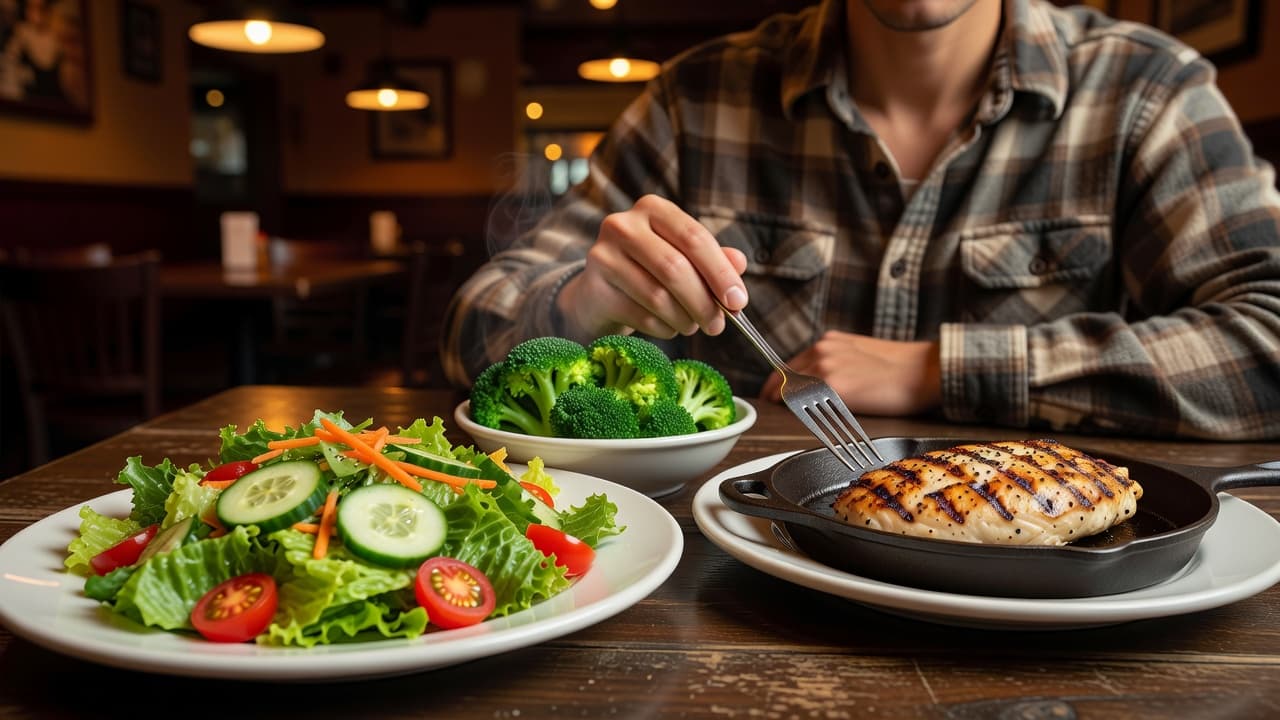
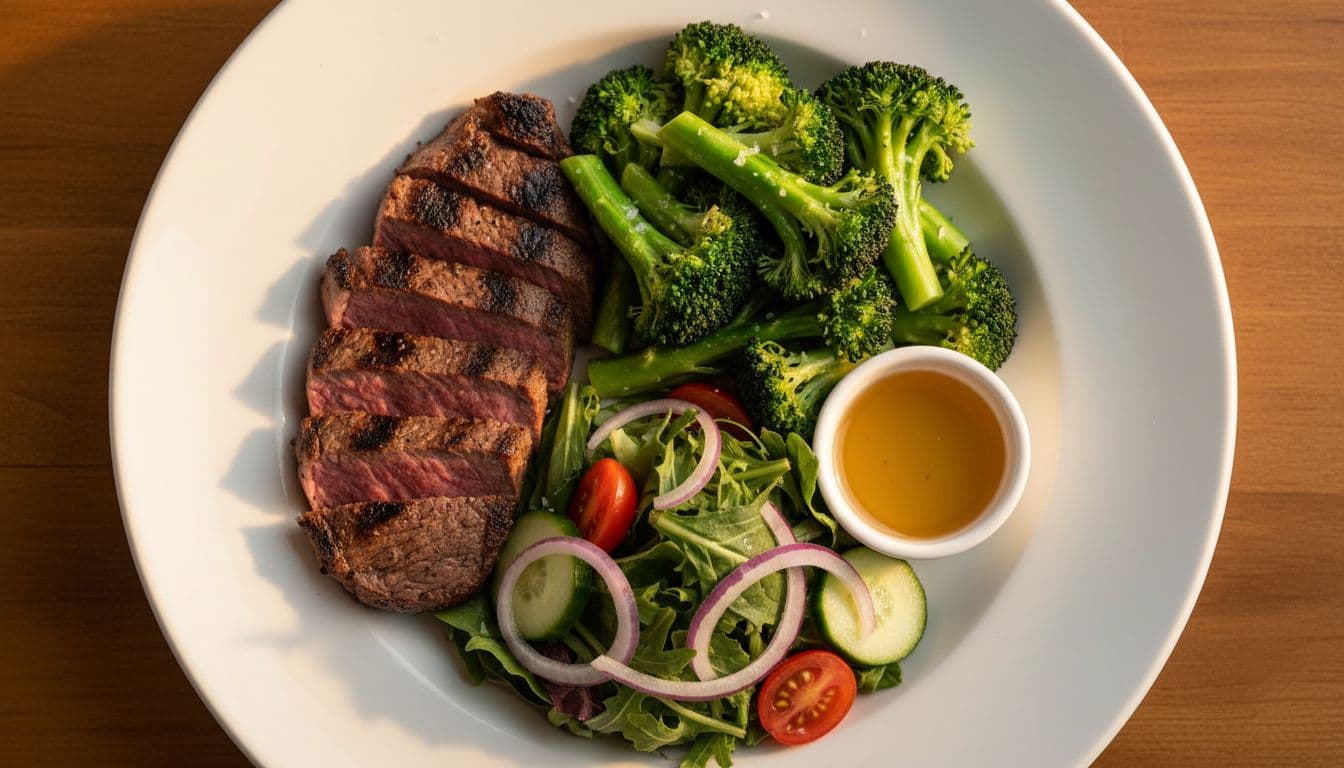
A ceramic plate features a crisp green side salad, steamed broccoli florets, and a portion of grilled protein. The fork rests carefully on the table surface next to the main dish.

The sides that can add the most to your meal

Mashed potatoes, mac and cheese, steak fries, and sweet potato are the sides most likely to make dinner much heavier. That does not make them bad choices. It simply means they bring more starch, more fat, or both.

Portion size matters, but toppings matter even more. Butter, cheese, gravy, sour cream, bacon, marshmallows, and caramel sauce can turn a moderate side into a rich one. A baked potato is a good example. Plain is one thing, loaded is another meal entirely.

How to pick a side that fits your goal

The best side depends on what you want from the meal. If your goal is fewer calories, volume and fiber usually help most. If you want a bigger, more filling plate, carbs matter more. Protein is the one thing sides usually do not deliver in a big way, so your entree does most of that work.

That is why one side can feel smart for one person and off-target for another. If you like to build your meal ahead of time, a Texas Roadhouse calorie counter tool can show how one side changes the full order.

Best choices if you want fewer calories

Fresh Steamed Broccoli is the best low-calorie choice because it gives you food volume without much nutritional baggage. It fits well with steak, grilled chicken, or pork, and it does not need much added to taste good.

A plain House Side Salad can also fit a lighter meal. The key is keeping add-ons simple. Ranch, blue cheese, shredded cheese, and croutons can pile on fast, so asking for dressing on the side keeps you in control. If you also want fewer carbs, broccoli or a lightly dressed salad usually beats rice, fries, or potatoes.

Best choices if you want more energy or a bigger meal

Seasoned Rice makes more sense when you want a side that feels hearty but not overly rich. Menu summaries place it around 180 to 190 calories, and most of that comes from carbs. That makes it a practical pick for active diners, bigger appetites, or anyone eating after a long day.

Potatoes and fries can fill the same role, but they are less predictable once toppings show up. If your goal is a more satisfying plate, pair a carb-heavy side with a leaner entree. If your goal is more protein, keep the side simple and let the steak or chicken handle the heavy lifting.

Smart ways to enjoy Texas Roadhouse sides without overdoing it

You do not need to skip the richer sides. You only need a plan.

Extras usually change the side more than the base item does.

A few small moves help a lot:

  • Split a heavy side if the table is already sharing food.
  • Choose one rich side instead of two.
  • Ask for butter, gravy, cheese, sour cream, or sweet toppings on the side.
  • Pair a lighter side with a protein-heavy entree.

That last move works well because it keeps the meal balanced. A sirloin with broccoli and one comfort side usually lands better than steak with fries and loaded potatoes. Also, remember that two sides come with many meals, so balance is built into the order if you use it. For another current nutrition check, the Texas Roadhouse nutrition portal can help you compare side choices before you go.

Final thoughts

The best side depends on your goal, not taste alone. Fresh Steamed Broccoli is the easiest low-calorie win, while fries, mac and cheese, and loaded potatoes can push the meal much higher.

Rice and potatoes can still fit when you want a fuller plate. The smart move is knowing where the calories and carbs jump, then choosing sides that match the rest of your day.
Ordering chicken sounds simple, but Texas Roadhouse chicken nutrition can swing a lot from one plate to the next. A grilled breast with vegetables is a different meal than fried chicken with gravy, a roll, and a loaded potato.

If you’re trying to watch calories, hit a protein goal, or keep sodium in check, the details matter. A few menu choices can turn chicken into a lighter dinner or a heavy one fast. That starts with how it’s cooked, then moves to toppings, sauces, and sides.

A quick look at Texas Roadhouse chicken nutrition facts

Chicken is often one of the better protein picks on the menu, but it isn’t automatically light. Grilled options usually land lower in calories and fat, while breaded or smothered dishes climb quickly. Side dishes matter too, because fries, mashed potatoes, rolls, and butter can add a lot before you notice.

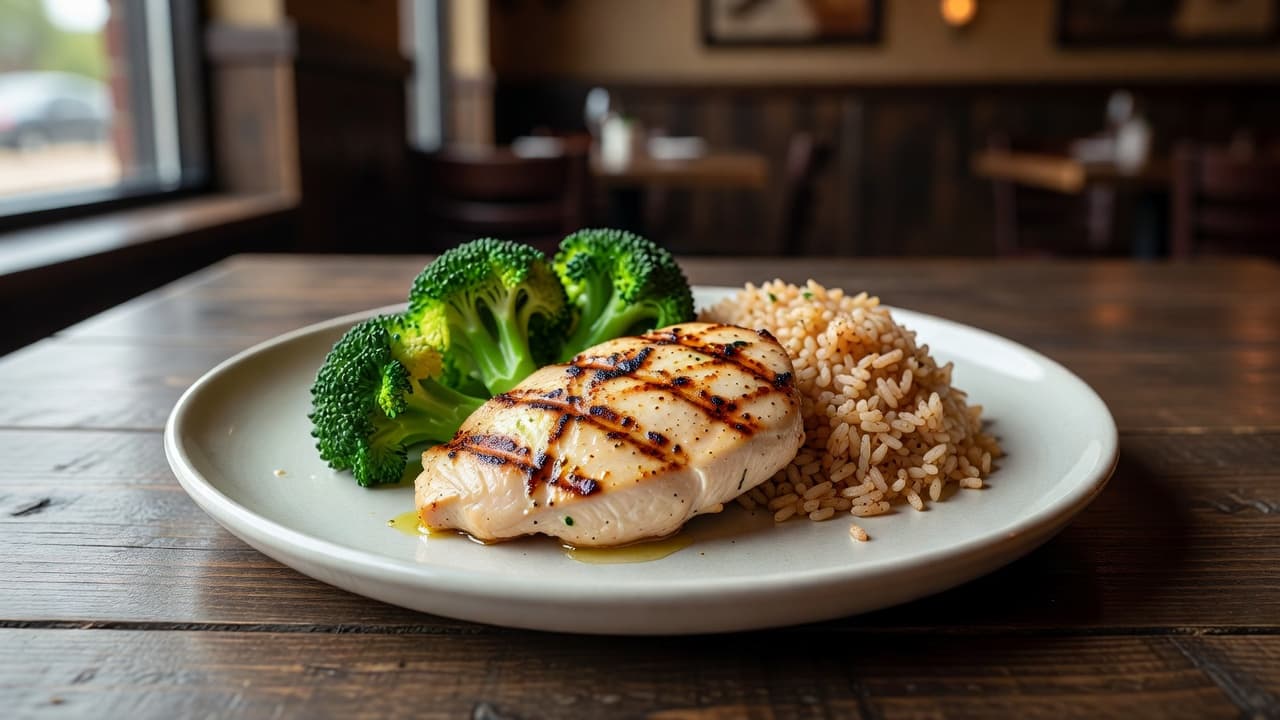
A neatly plated grilled chicken breast rests on a white ceramic dish alongside vibrant steamed vegetables and a side of seasoned rice. Natural light emphasizes the succulent textures and fresh ingredients.

Why the same chicken dish can have very different numbers

The chicken itself is only part of the story. Breading adds carbs and oil. Butter and cheese raise fat. Bacon, gravy, and house sauces can push sodium much higher. As a result, two chicken entrees can offer similar protein but feel miles apart on a nutrition label.

The nutrients most people care about first

Most people check calories and protein first, and that makes sense. Calories affect your total intake, while protein helps fullness and muscle repair. Total fat and saturated fat matter more if you’re trying to eat lighter or support heart health. Carbs rise when breading or sugary sauces show up, and sodium can sneak up fast with seasoned toppings. For side-by-side numbers, a Texas Roadhouse chicken nutrition calculator can help before you build the rest of the meal.

How the most popular Texas Roadhouse chicken dishes compare

A few well-known chicken entrees show how wide the gap can get. These values are approximate per entree, and they can change with portion size or custom add-ons.

DishApprox. caloriesApprox. proteinWhat changes the meal
Herb Crusted Chicken26047gLeaner grilled-style option
Grilled BBQ Chicken30046gSauce adds some sugar and sodium
Smothered Chicken58052gCheese and toppings raise fat and sodium
Chicken Critters (dinner)69047gFried coating adds carbs and fat
Country Fried Chicken77040gBreading and frying make it much heavier

The big pattern is easy to spot. Protein stays strong across several dishes, but calories, fat, and sodium jump when breading and rich toppings pile on. 

Grilled chicken choices are usually the lighter pick

Grilled chicken usually wins on calories and fat because it skips the breading and fryer oil. That makes herb-crusted or BBQ-style chicken a better fit for a high-protein meal. Still, butter glazes and sweet sauces can shift the final total, so grilled doesn’t always mean low-calorie.

Breaded or fried chicken brings more calories and carbs

Fried chicken tends to bring more carbs because of the coating, and it often absorbs more fat during cooking. That combination drives calories up fast. Large fried portions can also be less filling per calorie, especially if the plate comes with a rich side and dipping sauce.

Loaded chicken plates can push sodium much higher

Smothered or loaded chicken can look harmless because the base is still chicken. However, cheese, bacon, mushrooms, onions, gravy, and creamy sauces stack up fast. Sodium is often where these meals get heavy first, even before you factor in the side dishes.

How sides and extras change your total meal nutrition

The entree is only half the picture. A moderate chicken order can turn into a heavy meal once you add a roll with butter, fries, a loaded baked potato, or extra dipping sauce. That’s why many people underestimate restaurant calories. They look at the protein and forget the rest of the plate.

One smart side swap can save more calories than changing the entree.

The side dish swap that saves the most calories

If you make one change, swap a fried or creamy side for vegetables or a simple salad. Green beans, steamed vegetables, or a plain salad usually keep the meal much lighter than fries, mashed potatoes with gravy, or a loaded potato. 

Sauces, dressings, and butter can add up fast

Condiments look small, but they carry a lot of weight. Ranch, honey mustard, gravy, and extra butter can add a surprising amount of fat, sugar, or sodium. Asking for sauce on the side gives you control. Often, a few dips are enough.

Smarter ways to order Texas Roadhouse chicken if you want a lighter meal

You don’t need a strict order to eat better here. A few simple changes usually make the biggest difference, and you can still get a meal that feels satisfying.

Choose grilled over fried when possible

This is the easiest move. Grilled chicken usually cuts calories, fat, and carbs without giving up protein. If you’re deciding between two similar entrees, the grilled one is often the safer pick.

Ask for sauces and toppings on the side

This works because you control the amount. You still get the flavor, but you avoid the automatic pile-on of cheese, gravy, or dressing. Even using half can trim a decent amount from the meal.

Build a better plate with lighter sides

Pair the chicken with one lighter side instead of doubling up on starches. Vegetables, a house salad, or another simple side can keep the meal balanced. Then, if you want a roll or a richer extra, it fits more easily into the whole plate.

Conclusion

Chicken can be a smart order at Texas Roadhouse, but the final nutrition depends on more than the meat. Cooking style, toppings, sauces, and sides decide whether the meal stays moderate or gets heavy fast.

Keep your eye on the whole plate. Grilled chicken, lighter sides, and sauce on the side usually make the biggest difference. Once you start checking those details first, ordering gets a lot easier.

Can you still enjoy a night out at a legendary steakhouse while staying on track with your fitness goals? Texas Roadhouse is famous for hand-cut steaks and those irresistible buttery rolls, but it also offers several ways to build a nutrient-dense meal. You don’t have to settle for just a side of water and a lonely lettuce leaf to keep things light.

The trick lies in navigating the menu with a few simple rules, like the protein and green strategy. By focusing on lean cuts and fiber-rich vegetables, you can walk away satisfied without the heavy, sluggish feeling that usually follows a massive meal. This guide will show you exactly how to find the healthiest food at Texas Roadhouse without missing out on the flavor.

Choosing the Best Lean Proteins on the Menu

Finding the right protein is the most important decision you’ll make when you sit down to eat. Most people think of steakhouses as high-fat environments, but the menu is actually packed with high-quality protein sources. The key is to look for cuts that are naturally lower in fat and to pay attention to how they are prepared.

When you focus on lean meats, you get plenty of amino acids and minerals like iron without the excess calories found in marbled cuts. Using a macro-friendly Texas Roadhouse meal builder can help you visualize these numbers before you even arrive. Aim for options that maximize protein while keeping saturated fats in check.

Why the 6-Ounce Sirloin is a Top Pick

The 6-ounce sirloin is widely considered the healthiest protein choice available. At only about 250 calories, it provides a powerful 46 grams of protein, making it incredibly satiating. Because sirloin is a lean cut, it lacks the heavy fat marbling found in a ribeye or prime rib.

To keep this meal as light as possible, always ask your server to have the kitchen skip the “lemon butter” or garlic butter topping. That small scoop of butter can add an extra 100 calories of pure fat that you don’t actually need for a great-tasting steak. Many people find that the natural seasoning on the meat is plenty flavorful on its own.

Grilled Chicken and Salmon Alternatives

If you aren’t in the mood for red meat, the grilled chicken breast is a fantastic alternative. It’s low in calories and fat, provided you skip any heavy sauces or cheeses. Another high-quality option is the Grilled Salmon, which offers heart-healthy Omega-3 fatty acids. Since salmon is a fattier fish, it has more calories than the sirloin, but the benefits for your heart and brain are significant.

For a lighter poultry option, you might choose the Herb Roasted Chicken, but make sure to remove the skin before eating it. This simple step cuts a massive amount of hidden fat. When ordering salmon or other seafood, always choose a squeeze of fresh lemon over tartar sauce. Tartar sauce is mostly mayonnaise, which can quickly turn a lean seafood meal into a high-calorie one.

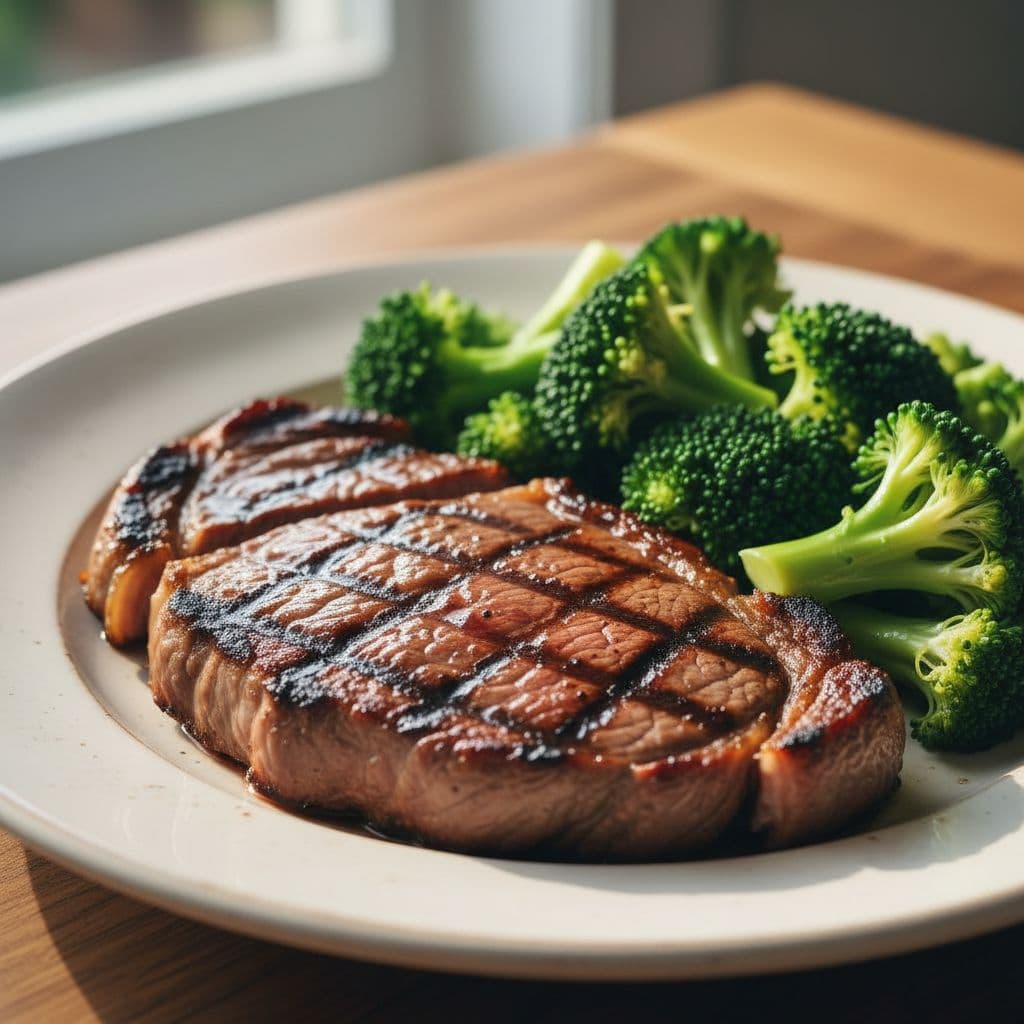
A seared sirloin steak with clear grill marks rests on a white plate beside a mound of vibrant steamed broccoli florets. Soft, natural light highlights the juicy texture of the meat.

Smart Side Dish Selections to Save Calories

Side dishes are often where a healthy meal becomes a nutritional disaster. It’s easy to focus on the steak and forget that a single loaded potato can have more calories than the entire main course. Customizing your sides is the best way to control your total intake while still filling up your plate with volume.

According to researchers, limiting red meat portions to 3-ounce servings can be a good general rule, though the 6-ounce sirloin is a reasonable exception when paired with high-fiber sides. By swapping out fries for vegetables, you can eat a much larger volume of food for a fraction of the calories.

Steamed Broccoli and Fresh Vegetables

Steamed broccoli is the gold standard for healthy sides at Texas Roadhouse. It provides essential vitamins and fiber that help slow down digestion and keep you full longer. However, the default preparation often includes a heavy drizzle of lemon butter. Be sure to specifically request your broccoli “without butter” to keep it as low-calorie as possible.

Green beans are another solid choice, though they are often seasoned with bacon or ham, which adds a bit of sodium and fat. If you want variety, the fresh vegetables are a great way to add color and nutrients to your meal. Choosing these fiber-rich options ensures that you leave the restaurant feeling energized rather than weighed down.

Navigating the Potato and Salad Options

Potatoes aren’t inherently bad, but the way they are served at steakhouses usually involves butter, sour cream, cheese, and bacon. A plain baked potato or plain sweet potato can be a great source of complex carbohydrates. If you need a topping, use salsa or just a tiny bit of sour cream instead of the “loaded” options.

Salads can also be a hidden source of calories if you aren’t careful. When ordering a house salad, ask the kitchen to leave off the croutons and shredded cheese. These two items add refined flour and fat without much nutritional value. Always request your dressing on the side and use a vinaigrette or oil and vinegar to stay within your calorie goals. For more details on specific ingredients, you might want to view full Texas Roadhouse nutrition facts to see how different toppings change the numbers.

Common Pitfalls to Avoid During Your Meal

Knowing what to order is only half the battle; you also have to know what to avoid. High-calorie “traps” are everywhere in a steakhouse environment, and they often come in the form of appetizers or drinks. These items can add a thousand calories to your day before your main course even hits the table.

Even a single small decision, like skipping a specific appetizer, can save you enough calories to cover your entire dinner. The goal isn’t to be perfect, but to be aware of the trade-offs you are making. Making informed choices allows you to enjoy the social aspect of dining out without compromising your health journey.

The Hidden Costs of Rolls and Appetizers

The most famous “trap” at Texas Roadhouse is the basket of fresh rolls and cinnamon butter. One roll with a generous swipe of butter can easily exceed 200 calories. If you eat three or four while waiting for your meal, you’ve consumed more calories than a 6-ounce sirloin. It’s often best to ask the server to take the basket away or simply set a firm limit for yourself.

Appetizers like the “Cactus Blossom” are even more extreme. This fried onion contains thousands of calories and an incredible amount of sodium. Most appetizers are fried and breaded, which adds massive amounts of inflammatory vegetable oils to your meal. If you really want a starter, a cup of Texas Red Chili without the cheese and crackers is a much higher-protein, lower-fat choice.

Being Careful with Sauces and Fried Foods

Fried main courses like the Country Fried Steak, Fried Catfish, or Chicken Critters are loaded with refined flour and oil. These preparations double or triple the calorie count of a piece of meat compared to grilling. Sticking to the grilled section of the menu is the easiest way to ensure you’re getting the best nutrition.

Be mindful of your beverages as well. A sugary margarita or a jumbo soda can have as much sugar as a large dessert. Sticking to water with lemon or unsweetened iced tea is a simple way to keep your meal clean. For more ideas on how to balance your plate, you can look into adding a side salad or roasted veggies to maximize fiber and antioxidants.

Final Takeaways

Dining out at a steakhouse doesn’t have to be a setback for your health. By following the protein and green rule, you can create a meal that is both delicious and aligned with your fitness goals. Choosing the 6-ounce sirloin and pairing it with a double serving of steamed broccoli is the most effective way to stay on track.

Remember that small customizations, like asking for no butter and getting dressing on the side, make a world of difference. You don’t have to avoid your favorite restaurants to stay healthy; you just need a plan. With these strategies, you can enjoy the best of Texas Roadhouse while feeling great about the choices you’ve made.

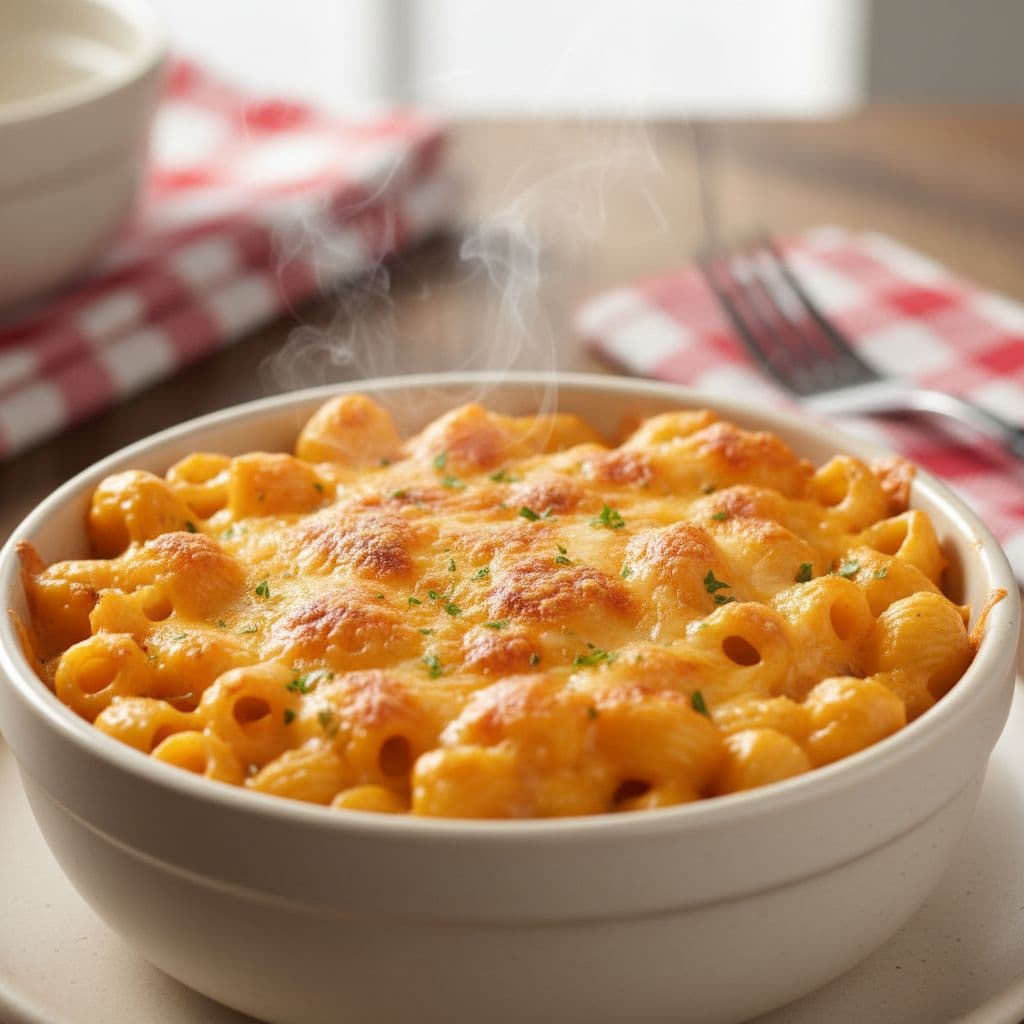
Macaroni and cheese is the ultimate comfort food staple at Texas Roadhouse. Whether you are ordering from the kids’ menu or picking a hearty side for your steak, its creamy texture makes it a fan favorite. While it tastes like home cooking, it is helpful to look at what is actually in that bowl.

Understanding the nutritional profile of your favorite sides helps you enjoy your meal without any surprises later. When you look at the texas roadhouse mac cheese nutrition, you will find a mix of calories, fats, and sodium that play a big role in your daily intake. This guide breaks down those facts clearly so you can make the best choice for your next visit.

By knowing the numbers behind the flavor, you can balance your plate effectively. Most diners love the richness of this dish, yet the salt and fat content can add up quickly. Let’s look at the ingredients and data that make this cheesy side so popular yet nutrition-heavy.

What exactly is in the Texas Roadhouse Mac and Cheese?

The recipe style at Texas Roadhouse focuses on a creamy, stove-top version of the classic dish. Unlike some Southern styles that go into the oven with a breadcrumb topping, this version features smooth elbow macaroni tossed in a rich, melted cheese sauce. The sauce uses a blend of cheddar and American cheese to achieve that signature gooey consistency.

Since it does not have a baked crust, the texture stays consistent and velvety from the first bite to the last. This preparation method ensures every piece of pasta is fully coated in sauce, which is why it feels so satisfying. However, that heavy use of processed cheese and dairy is also where most of the calories and sodium originate.

Texas Roadhouse Mac Cheese Nutrition

Many frequent visitors might wonder about the specific dietary breakdown of their entire meal. For those interested in more than just the sides, checking out Texas Roadhouse nutritional research can provide a wider view of how different entrees compare. While the mac and cheese is a vegetarian-friendly side, it is certainly one of the richer options available on the menu.

Understanding the Nutrition Facts and Calories

When you order a 5-ounce adult side serving, you are looking at roughly 270 to 300 calories. If you choose a larger portion or find it served in a different bowl size, that number can climb toward 380 calories. To put this into perspective, eating this side dish is roughly equivalent to eating three or four slices of standard white bread in one sitting.

The fat content is a major factor here, with about 15 grams of total fat per serving. About 9 grams of that is saturated fat, which is the type you should generally limit for heart health. This high fat content gives the dish its legendary creaminess, but it also accounts for a significant chunk of your daily recommended intake.

On the positive side, this dish does provide about 10 to 15 grams of protein. While protein is helpful for feeling full, it is accompanied by roughly 31 to 37 grams of carbohydrates. Most of these carbs come from the white pasta, which lacks the fiber found in whole grains. You can see more details on these specific values in the table below.

NutrientTypical Side Serving
Calories300 – 310
Total Fat15g
Saturated Fat9g
Sodium870mg
Carbohydrates31g
Protein10g

As you can see, the calorie count is modest compared to a full steak, but the fats and sodium are high for a small side. If you want to see how these numbers stack up against other restaurant versions, you can view the Mac and Cheese stats from Nutritionix. This data helps clarify why this dish feels so heavy even though the portion size looks small.

Sodium and Heart Health: Why is it so salty?

One of the most eye-opening parts of the nutrition label is the sodium. A single serving contains about 870mg of salt. For an average adult, this is nearly 40 percent of the daily recommended limit in just one side dish. If you add this to a seasoned steak and a buttered roll, you might exceed your entire daily salt limit in one meal.

The salt doesn’t just come from the cheese sauce; the restaurant typically seasons the pasta water and may use salted butter in the mix. While salt is a flavor enhancer that makes the cheese pop, it is a concern for those monitoring their blood pressure. Balancing this high sodium with plenty of water during your meal is a smart move.

The Kids Menu Option: Kraft Mac vs. House-Made

Parents should know that the children’s menu often differs from the adult side menu. At many locations, the “Junior Skiddoo” meal features Kraft Mac and Cheese instead of the house-made version. While Kraft is a familiar childhood favorite, it has its own nutritional profile to consider.

The Kraft version typically sits around 300 calories and 10 to 13 grams of fat. Interestingly, the sodium remains high even in the kids’ version, often hitting that 870mg mark. This is quite a lot for a child, especially if they also enjoy the free rolls. Choosing a fruit cup or steamed vegetables alongside the mac can help balance the meal for younger diners.

How to Fit Mac and Cheese into a Balanced Meal

You don’t have to skip the cheesy goodness entirely if you plan your order carefully. Since the texas roadhouse mac cheese nutrition profile is high in fat and salt, you can offset this with your main course. Pairing the mac and cheese with a lean protein like the 6-ounce Dallas Filet or a grilled chicken breast is much better than pairing it with a fatty ribeye.

Instead of double-cheesy or fried sides, choose a high-fiber vegetable for your second side. Steamed broccoli or a plain baked potato (without the “loaded” toppings) provides better balance for your digestive system. These choices add bulk and nutrients without piling on more saturated fat.

Portion control is another useful tool for enjoying this dish. Since the server often brings out two rolls per person first, it is easy to overeat before the mac and cheese even arrives. Try eating half your side at the table and taking the rest home for lunch the next day. This simple trick cuts your immediate calorie and sodium intake in half while letting you enjoy the taste twice.

Final Thoughts

The mac and cheese at Texas Roadhouse is a delicious, creamy treat that defines comfort dining. While it is high in sodium and saturated fat, knowing the facts allows you to enjoy it as an occasional indulgence. By choosing leaner entrees and adding green vegetables to your plate, you can balance the heavy hits from the cheese sauce.

Small adjustments, like managing your roll intake or sharing a side with a friend, make a big difference. Staying informed about what is in your food is the best way to enjoy the restaurant experience while still looking out for your health. Next time you visit, you can dig into those cheesy noodles with total confidence in your choices.

Can you imagine your next steak dinner without that side of mac? For most, it is an essential part of the experience that just needs a little bit of planning.

If you want the quick answer, a plain Texas Roadhouse roll has about 120 calories. Once cinnamon butter gets involved, that total climbs fast, and one roll can land around 227 calories or more.

That matters if you’re tracking calories, trying to eat lighter, or simply want to know whether the basket fits your meal. The biggest source of confusion is simple: some counts refer to the roll alone, while others include the butter. Start with the plain roll, then add the extras.

What goes into a Texas Roadhouse roll calorie count

When people look up Texas Roadhouse rolls calories, they often find different numbers. That’s because websites are not always measuring the same serving. One may log the plain bread, while another logs the bread with cinnamon butter already included.

Size also matters. Restaurant rolls are handmade, so one piece may be a little larger than another. In addition, nutrition databases may rely on user entries or different serving assumptions, which can shift the final count.

Texas Roadhouse Roll Calories

Here’s the simplest way to look at it:

VersionEstimated caloriesWhat it includes
Plain rollAbout 120Bread only
Roll with cinnamon butterAbout 227Bread plus butter

That gap explains why the numbers can feel all over the place.

Plain roll calories without butter

If you want the base number, use the roll by itself. The available estimate puts one plain roll at about 120 calories. One common nutrition entry also lists roughly 28 grams of carbs, 8 grams of fat, and 5 grams of protein, but those numbers should be treated as rough guides, not exact lab results.

For everyday tracking, the main point is that the roll alone isn’t huge in calories. Most of its energy comes from carbs, and it doesn’t bring much protein. So if you’re counting your meal, the plain roll is the cleanest starting point.

How cinnamon butter changes the total

The butter is where the number jumps. A roll with cinnamon butter is commonly listed at about 227 calories, which means the spread adds around 107 calories on its own. You can see that estimate in this Texas Roadhouse dinner roll nutrition entry.

In real life, the total can go even higher. A light swipe of butter and a thick scoop are not the same thing. So one roll with a modest amount may stay near the low 200s, while a heavily buttered roll can push well past that.

How to enjoy the rolls without blowing your calorie budget

You don’t need to treat the basket like a trap. A better move is to decide early how much room you want to give it in your meal. That small choice keeps the rolls fun instead of turning them into accidental extras.

Choose how many rolls you actually want

Make the choice before you reach for a second one. If you know you want steak, a side, and maybe a drink, one roll may be enough. Eating it slowly with your meal often feels more satisfying than grabbing two right away.

You can also split a roll with someone. Another easy trick is to tear off half, enjoy that part, and leave the rest. Since a plain roll is about 120 calories, even eating half can make a noticeable difference without making dinner feel strict.

Use butter more carefully

Butter is the part worth watching most closely. Ask for it on the side if you want better control, then use a small amount instead of loading every bite. Even a thinner spread can give you the flavor you want.

If you’re building your full meal, a Texas Roadhouse nutrition calculator can help you see how the roll fits with your entree and sides. That makes it easier to budget for the bread on purpose, rather than guessing after the meal.

Why online calorie numbers do not always match

Different calorie counts don’t always mean one source is wrong. Often, they’re counting different portions, different recipes, or different amounts of butter. Once you know that, the mixed numbers make more sense.

Serving size and recipe differences

A homemade-style roll isn’t always identical from one serving to the next. One database may measure a smaller plain roll, while another may log a larger serving or a prepared roll with butter. That’s one reason the FatSecret listing for Texas Roadhouse rolls shows a higher calorie total than the plain 120-calorie estimate.

Recipe assumptions can also change the math. Some entries may count a sweeter roll, more fat in the dough, or a standard butter portion that doesn’t match what you personally ate. As a result, two websites can both look believable while landing on different numbers.

The best way to estimate for your meal

The most practical method is simple: log the plain roll first, then add butter separately. That gives you a flexible estimate based on what you actually ate, not what a generic entry assumes.

Use about 120 calories for the roll, then add the butter based on how much you spread.

If you had half the butter, log half. If you skipped it, stop at the roll. That approach isn’t perfect, but it’s usually the closest real-world estimate for a restaurant meal.

Conclusion

A Texas Roadhouse roll is fairly manageable on its own. The plain version sits around 120 calories, which is not extreme for restaurant bread.

The fast calorie jump comes from the cinnamon butter. If you watch portions and track the butter separately, you can still enjoy the rolls without losing control of the rest of your meal.

Texas Roadhouse is a staple for many families because they offer high-quality, hand-cut meat at a reasonable price. When you walk through the doors, the smell of the grill and the legendary rolls can make it hard to focus on your health goals. While steak is a fantastic source of protein, it can also come with a heavy dose of salt and fat if you don’t know what to look for.

Staying on track with your diet in 2026 doesn’t mean you have to skip the steakhouse entirely. By understanding the nutritional profile of different cuts, you can enjoy a massive boost of iron and B vitamins without overdoing the calories. This guide will help you navigate the menu so you can leave feeling satisfied rather than weighed down by a heavy meal.

How Many Calories are in Your Favorite Cut of Steak?

The total calorie count for your dinner depends heavily on the specific cut and its size. At a place like Texas Roadhouse, portions can range from a modest 6 ounces to a massive 23 ounces, meaning your meal could stay around 300 calories or soar past 1,000 before you even touch a side dish. Understanding these differences is the first step toward making a mindful choice that aligns with your lifestyle.

It’s tempting to think that all beef is roughly the same, but the amount of “marbling” or intramuscular fat varies wildly between a leaner sirloin and a fatty ribeye. Larger isn’t always better for your health, especially when a single steak might contain your entire day’s recommended sodium intake. Using an interactive Texas Roadhouse nutrition calculator is a great way to see how these numbers stack up before you sit down at the table.

Texas Roadhouse Steak Nutrition

Leanest Choices Like the Sirloin and Dallas Fillet

If you want the best bang for your buck in terms of protein, the 6-ounce Sirloin is the gold standard. At roughly 250 calories, it’s one of the leanest options on the menu. It provides a dense amount of muscle-building protein with very little waistline-expanding fat. Even the slightly larger 8-ounce version keeps things reasonable at around 340 calories, making it a favorite for those watching their weight.

For something a bit more tender, the Dallas Fillet is another excellent choice. The 6-ounce fillet clocks in at approximately 270 calories. Because this cut is naturally more tender than the sirloin, it doesn’t need as much fat to taste great. These lean cuts are significantly lower in calories than their larger counterparts, and they leave more room in your daily budget for a tasty side dish.

Higher Fat Options Like Ribeyes and Porterhouse Steaks

On the other side of the spectrum, we have the “flavor-first” cuts like the Ft. Worth Ribeye. Ribeyes are famous for their marbling, which gives them a juicy, buttery texture. However, that fat comes at a cost. A 10-ounce ribeye starts at 740 calories, and the 16-ounce version can easily top 1,000 calories. When you consider that many of these are also highly seasoned, the sodium levels can be quite high for a single meal.

The Porterhouse T-Bone is the ultimate indulgence, essentially combining a New York Strip and a Fillet into one massive 23-ounce portion. This beast of a meal packs about 1,040 calories. While it’s a protein powerhouse, the sheer volume of fat and salt makes it a difficult choice for anyone monitoring their heart health. If you are curious about how these compare to standard retail cuts, you can look at the USDA Nutrient Data Set for Retail Beef Cuts to see the baseline values for different types of beef.

Hidden Nutritional Pitfalls Beyond the Steak

Even if you choose the leanest sirloin on the menu, your total meal calories can spiral out of control because of the “extras” that often go unnoticed. A steak dinner is rarely just a steak. Between the butter used on the grill, the seasonings, and the appetizers, it’s easy to accidentally consume an extra thousand calories without realizing it.

Most diners forget that the kitchen often brushes steaks with a heavy coat of butter or oil to give them that signature shine and flavor. Furthermore, many of the flavor enhancers like “smothering” your steak with sauteed onions, mushrooms, and jack cheese can add roughly 220 calories to your plate. If you want to keep things light, asking for your steak to be grilled without the extra butter brush can save you 50 to 100 calories immediately.

Dinner plate with grilled sirloin steak, steamed broccoli, and side salad with dressing.

The Impact of Butter and Seasoning

The seasoning used at the Roadhouse is delicious, but it’s loaded with sodium. High salt intake can lead to water retention and increased blood pressure, which might leave you feeling bloated the next day. If you are sensitive to salt, you can ask for light seasoning. This allows the natural flavor of the beef to shine through while keeping your heart health in mind.

Butter is another silent contributor. Besides the brush used on the steak, many people add butter to their vegetables or potatoes. A single tablespoon of butter adds about 100 calories. When you combine this with the seasonings and any added toppings like gravy or cheese, a “healthy” steak can quickly transform into a high-fat meal that rivals a double cheeseburger in total calories.

Rolls and Side Dishes Can Double Your Calories

The biggest challenge for most people is the basket of fresh rolls. Each roll, especially when swiped through the honey cinnamon butter, averages about 227 calories. If you eat three of them while waiting for your order, you’ve added nearly 700 calories before your main course even arrives. Keeping track of these can be the difference between meeting your goals and overshooting them.

Choosing the right sides is also vital. A loaded baked potato with butter, sour cream, cheese, and bacon can exceed 500 calories. In contrast, choosing steamed broccoli (40 calories) or a house salad with a light vinaigrette keeps the meal balanced. According to the USDA Beef and Veal nutritional poster, a standard three-ounce serving of lean beef is a very efficient way to get nutrients; the sides are what usually tip the scales.

Where to Find Accurate Texas Roadhouse Steak Nutrition

If you want to be precise about your intake, it’s always best to look up the data directly. Most people find that checking nutrition facts before heading to the restaurant helps them stay disciplined once they see the menu. You can find comprehensive tables on the official website, usually in the form of a downloadable PDF or an interactive menu.

Many popular fitness apps like MyFitnessPal also have these items pre-loaded, but be careful with “user-generated” entries as they might not be current. For the most accurate and up-to-date information, checking the interactive online ordering menu is usually your best bet. It typically lists calorie ranges for different sizes of the same cut, allowing you to see exactly how much you are adding to your plate. Taking a few minutes to calculate calories in Texas Roadhouse steaks ensures there are no surprises when you step on the scale the next morning.

Conclusion

Understanding the nutritional profile of your meal doesn’t have to take the joy out of eating out. By selecting leaner cuts like the sirloin or the Dallas fillet, you can enjoy a high-protein feast that fits into almost any diet plan. The trick is to stay aware of the “hidden” additions like rolls, butter, and heavy side dishes that can quickly inflate your daily intake.

A night at the steakhouse is a great way to reward yourself, and with these tips, you can do so while staying on track with your health goals. Focus on the quality of the meat, choose green vegetables whenever possible, and perhaps enjoy just one of those famous rolls instead of the whole basket. With a little bit of planning, you can have a delicious dinner that fuels your body and satisfies your cravings without any of the guilt.

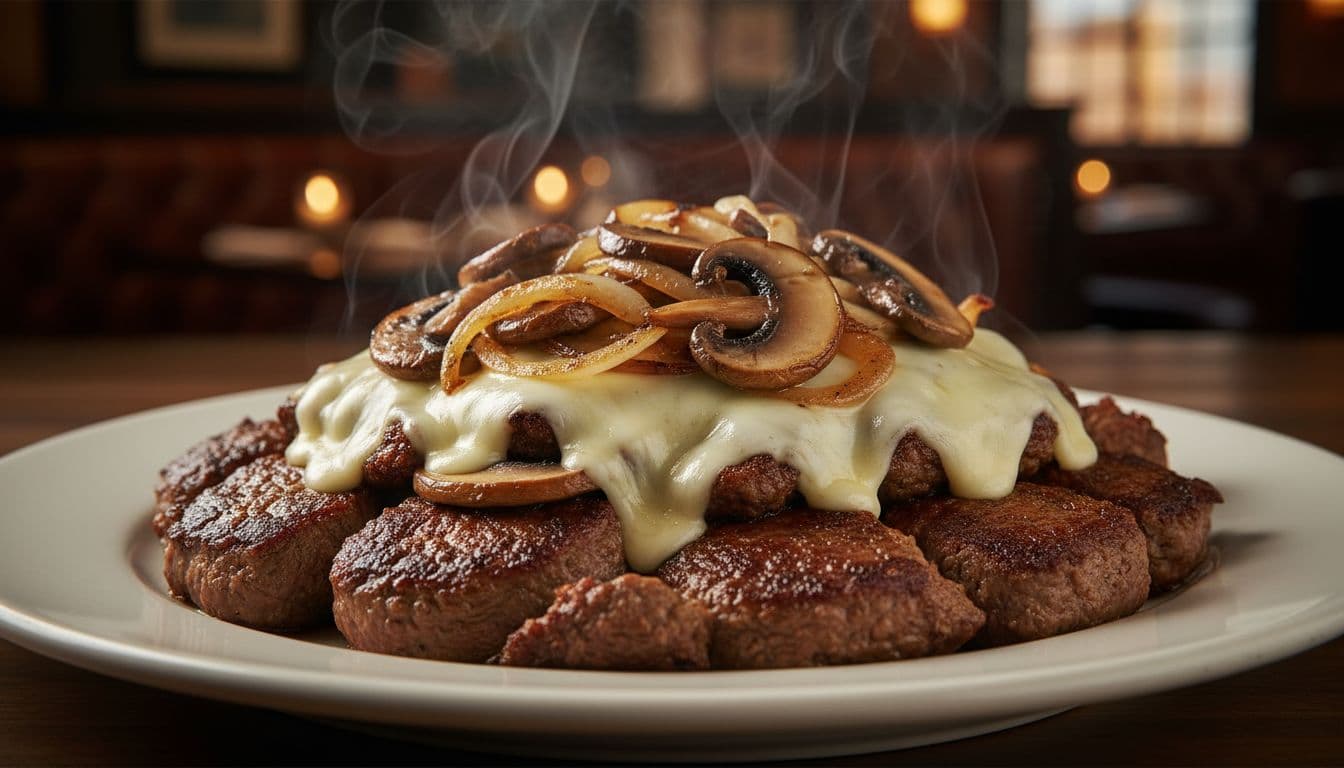
Texas Roadhouse Roadkill is a chopped steak topped with sauteed onions, mushrooms, and melted Monterey Jack cheese. It has a strange name, which is why people notice it right away, but the dish itself is simple, hearty, and easy to understand once it hits the table.

If you’ve never ordered it, you might wonder whether it’s a burger, a steak, or something in between. The short answer is that it’s closer to a chopped steak dinner, and that difference matters when you decide if it’s worth ordering.

What comes on the Roadkill plate

At its core, this entree is a seasoned beef patty cooked like a chopped steak, then covered with onions, mushrooms, and cheese. It comes as a knife-and-fork plate, not on a bun, so it feels more like a steakhouse meal than fast food.

That bunless setup changes the whole experience. You’re not getting lettuce, tomato, and condiments. You’re getting beef first, then a warm topping mix that adds richness and extra flavor. Guests usually pair it with two sides, so the full meal can swing from lighter to heavy depending on what you pick.

Texas Roadhouse Roadkill - Chopped steak topped with sautéed onions, mushrooms, and melted Monterey Jack cheese on a white plate, steam rising.

The core ingredients that give it its flavor

The beef is the base, and it carries most of the savory taste. Because it’s chopped steak, each bite is softer than a whole-muscle steak but still meaty and filling.

Then the onions and mushrooms step in. When cooked down, onions add sweetness and a little depth, while mushrooms bring moisture and an earthy note. The Monterey Jack melts over the top and pulls everything together, so the plate tastes rich without needing much else.

How it differs from a regular burger or steak

A burger usually leans on the bun and toppings for balance. Road Kill doesn’t. It eats more like comfort food from a skillet.

At the same time, it isn’t a classic steak cut like sirloin or ribeye. You won’t slice into a thick slab of beef. Instead, you get the feel of a steak dinner in a simpler form. Some third-party menu trackers, including a Texas Roadhouse nutrition roundup, list it alongside the restaurant’s steak options, which fits how most diners think about it.

Why the Roadkill tastes so filling and satisfying

This dish wins people over because it hits the same notes many comfort foods do. It’s hot, rich, salty, cheesy, and soft in the right places. That combination makes it feel bigger than it looks on paper.

There’s also a steakhouse appeal to it. You still get beef and sides, but you skip the higher price of a bigger cut. For diners who want something warm and sturdy after a long day, that matters.

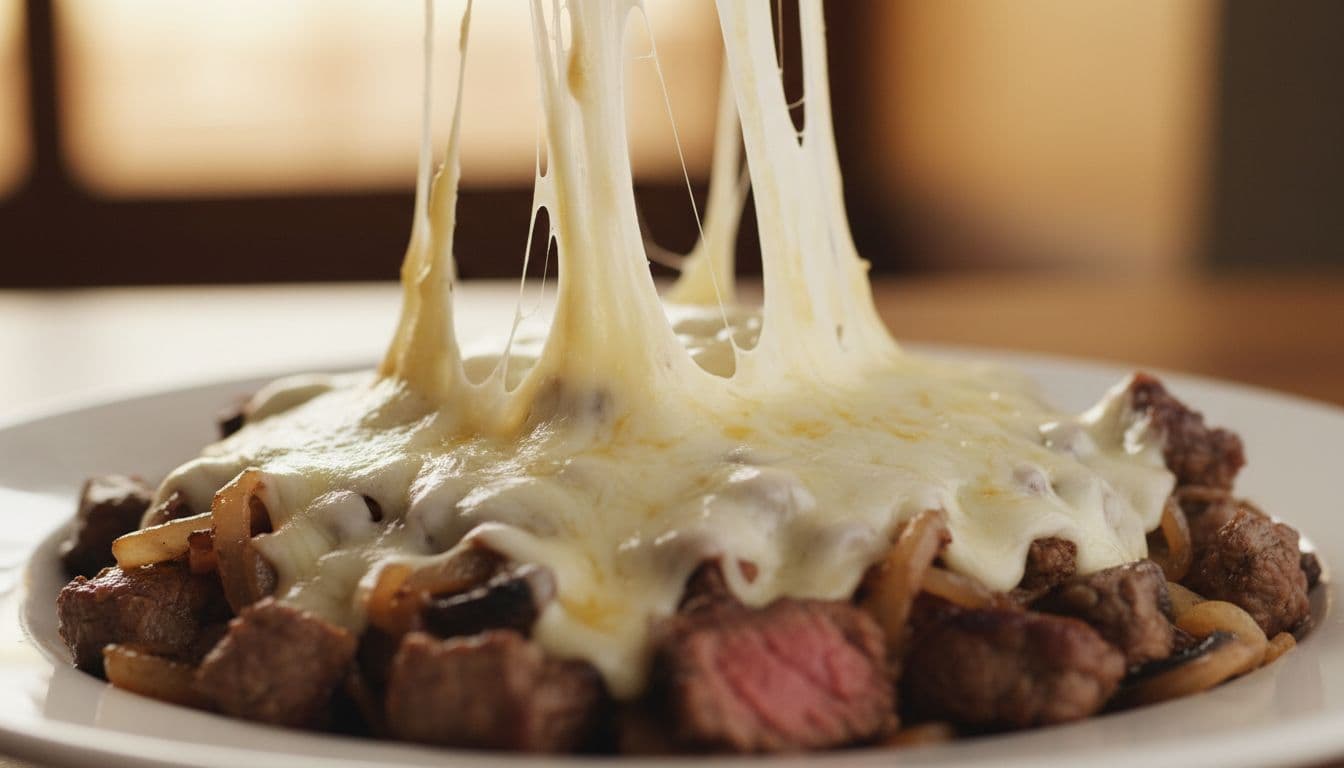
Texas Roadhouse Roadkill - Close-up of chopped beef steak covered in stringy melted Monterey Jack cheese, caramelized onions, and mushrooms on a white plate.

Flavor, texture, and portion size

The flavor is rich from the first bite. You get beef up front, then mellow sweetness from the onions, then mushrooms that keep the meat from feeling dry. The cheese adds a creamy layer that softens the whole dish.

Texture is a big part of the appeal too. The chopped steak has a tender, dense bite, while the vegetables stay soft and slick from cooking. Add gooey cheese, and the plate lands squarely in comfort-food territory. Because it comes with sides, it usually feels like a full dinner, not a snack-sized entree.

Why fans say it is a good value

Price matters at a steakhouse. A lot of guests want beef, but they don’t always want to pay for a larger hand-cut steak. Road Kill fills that gap.

You still get a hearty entree and the familiar steakhouse setup. That makes it appealing for budget-minded diners who want something satisfying. Menu trackers such Road Kill price and calorie listing often place it below many steak options, which helps explain why regulars keep coming back to it.

Nutrition and ordering details to know before you buy

If you’re checking calories before you order, this is where things get a little messy. Public numbers vary by source, and detailed official macros for this item aren’t clearly published in the available data.

Still, the broad picture is clear. It’s a high-protein, high-fat entree with cheese and beef at the center, so it isn’t a light pick. Your side choices can push the full meal much higher.

Calories, protein, and what to expect from the meal

Current available data often puts Texas Roadhouse Roadkill at about 890 calories, though other nutrition databases list lower totals, usually around 720 to 760. That gap is why it’s smart to treat any number as an estimate, not a lab-tested guarantee.

Third-party entries such as Eato’s nutrition facts for Roadkill estimate roughly 54 grams of protein. That’s a strong protein count, but it comes with a lot of fat as well, mostly from the beef, cheese, and cooking fat. In other words, this meal can fit a low-carb style of eating, but it still lands on the rich side.

If you’re tracking intake closely, count the entree and the sides together. The plate alone doesn’t tell the full story.

Allergens, sides, and customization tips

The main allergen issue is dairy, because Monterey Jack cheese is part of the standard topping. If you avoid dairy, ask whether the kitchen can leave the cheese off and watch for butter on the sides too.

Sides can make the meal lighter or much heavier. Green beans, a house salad, or plain vegetables keep things more balanced. On the other hand, loaded mashed potatoes, fries, or buttery rolls can turn an already rich entree into a much bigger dinner. For another quick third-party snapshot, Fooducate’s Road Kill listing shows how people often log the dish when they want a rough nutrition estimate.

Final Thoughts

Texas Roadhouse Roadkill gets attention because of its name, but people order it again because the food makes sense. It’s a chopped steak dinner with onions, mushrooms, and melted cheese, and it delivers the kind of rich, filling flavor many steakhouse guests want.

If you’re after a simple, hearty, budget-friendly beef option, it’s a smart pick. If you want something lean or carefully measured, check the toppings and sides first, because that’s where this meal gets heavy fast.

If you want a steak that feels satisfying without wrecking your macros, the Dallas Filet is easy to notice. It’s one of the most popular picks for people chasing high protein with a lighter calorie load than bigger, fattier cuts.

Still, restaurant nutrition is never perfect math. Serving size, trimming, seasoning, and data sources can shift the totals a bit, so the numbers below are best used as a smart estimate you can plan around.

What you get in a Texas Roadhouse Dallas Filet

The Dallas Filet is a hand-cut tenderloin steak, seasoned and grilled to order. It’s known for being one of the most tender steaks on the Texas Roadhouse menu, which is a big reason people order it when they want steak without a heavy, greasy feel.

Because it’s a simpler cut, the nutrition picture is easier to understand than a loaded entree. You’re mostly looking at protein, fat, sodium, and whatever small carb count comes from seasoning or prep.

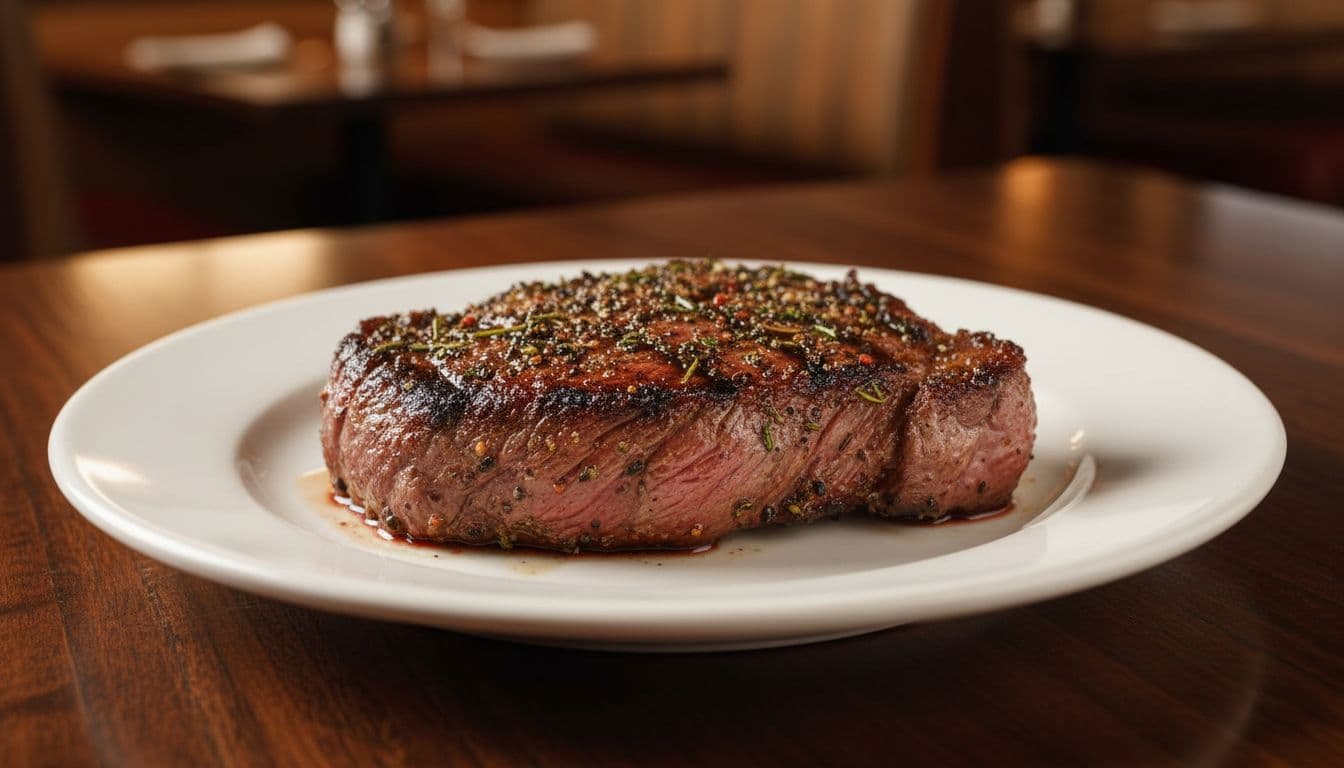
Texas Roadhouse Dallas Filet Nutrition - Close-up of medium-grilled Dallas filet steak with seared edges and herb seasoning on white plate.

Why this steak is a favorite for protein-focused eaters

A filet works well when you want a meal that fills you up without a pile of carbs. Compared with many burgers, fried entrees, or steak plates loaded with toppings, this cut keeps the focus on protein.

That matters if you’re trying to hit a protein goal, keep lunch lighter, or build dinner around lower-carb sides. In plain terms, it’s steak that leaves you more room to manage the rest of your plate.

Why the nutrition can change from one order to another

No two steaks are trimmed in exactly the same way. A little extra fat, a heavier shake of seasoning, or a slightly larger cut can move the numbers.

Source differences also matter. For example, this 6 oz nutrition listing matches several published trackers, while other menu sites show small variations. That’s why it’s better to think in ranges, not rigid absolutes.

Calories and macros for the Dallas Filet

For most people, the useful comparison is simple: 6 oz versus 8 oz. Current published nutrition data points to the following estimates for those two portions.

ServingCaloriesProteinFatCarbsSodiumCholesterol
6 oz Dallas Filet27045g10g6g720mg110mg
8 oz Dallas Filet36060g13g8g960mg145mg

The big takeaway is easy to see. The larger cut adds a solid chunk of protein, but it also raises calories, fat, sodium, and cholesterol.

A plain filet is naturally carb-free, but published restaurant counts often show a few carbs from seasoning or prep.

6 oz Dallas Filet nutrition facts

The 6 oz Dallas Filet is the most commonly referenced portion, and it’s the easier one to fit into a calorie-controlled day. Most current sources put it at 270 calories, with 45 grams of protein, 10 grams of fat, 6 grams of carbs, 720 milligrams of sodium, and 110 milligrams of cholesterol.

That’s a strong protein return for the calories. You get roughly 45 grams of protein for fewer calories than many restaurant chicken dishes with sauce.

Carb counts are where people get tripped up. Steak sounds like a zero-carb food, and at home it often is. Yet published counts for this menu item usually show a small carb number, likely because of seasoning. If you eat low-carb, that still fits most plans without much trouble.

8 oz Dallas Filet nutrition facts

The 8 oz version is the better pick if you want more protein and don’t mind a bigger calorie hit. The most common estimates place it at 360 calories, with 60 grams of protein, 13 grams of fat, 8 grams of carbs, 960 milligrams of sodium, and 145 milligrams of cholesterol.

That makes the jump from 6 oz pretty clean. You’re adding about 90 calories and 15 grams of protein, plus a bit more fat and sodium. If dinner is your main meal, the 8 oz cut may fit well. If you’re working inside a tighter calorie target, the 6 oz is easier to manage.

For comparison, this 8 oz nutrition entry lines up with other menu trackers that place the larger steak around 360 calories.

How the macros fit different eating goals

For a high-protein plan, both sizes work well. The 6 oz serving gives you a lot of protein with modest calories, while the 8 oz pushes protein high enough to anchor a full dinner.

For low-carb or keto-style eating, the Dallas Filet is still a good fit, even if the listed nutrition shows a few carbs. In real life, the bigger issue usually isn’t the steak. It’s the rolls, loaded potato, sugary drinks, and extra toppings that change the meal fast.

If you’re tracking balanced macros, the filet is easier to pair with smart sides than a heavily marbled steak. Some published menu comparisons, like this Dallas Filet size breakdown, also show how close the two portions are in structure: mostly protein, moderate fat, and only a small carb count.

How to make the Dallas Filet fit your day

The steak itself is only part of the meal. What sits next to it can double the calories before you notice.

Watch the sides and add-ons

A plain filet is fairly lean for a steakhouse order. The problem starts when bread, cinnamon butter, loaded baked potatoes, fries, cheese, sauteed toppings, and sweet drinks pile on top.

If you’re tracking macros, count the whole plate, not only the steak. A smart steak choice can turn into a much heavier meal with just a few extras.

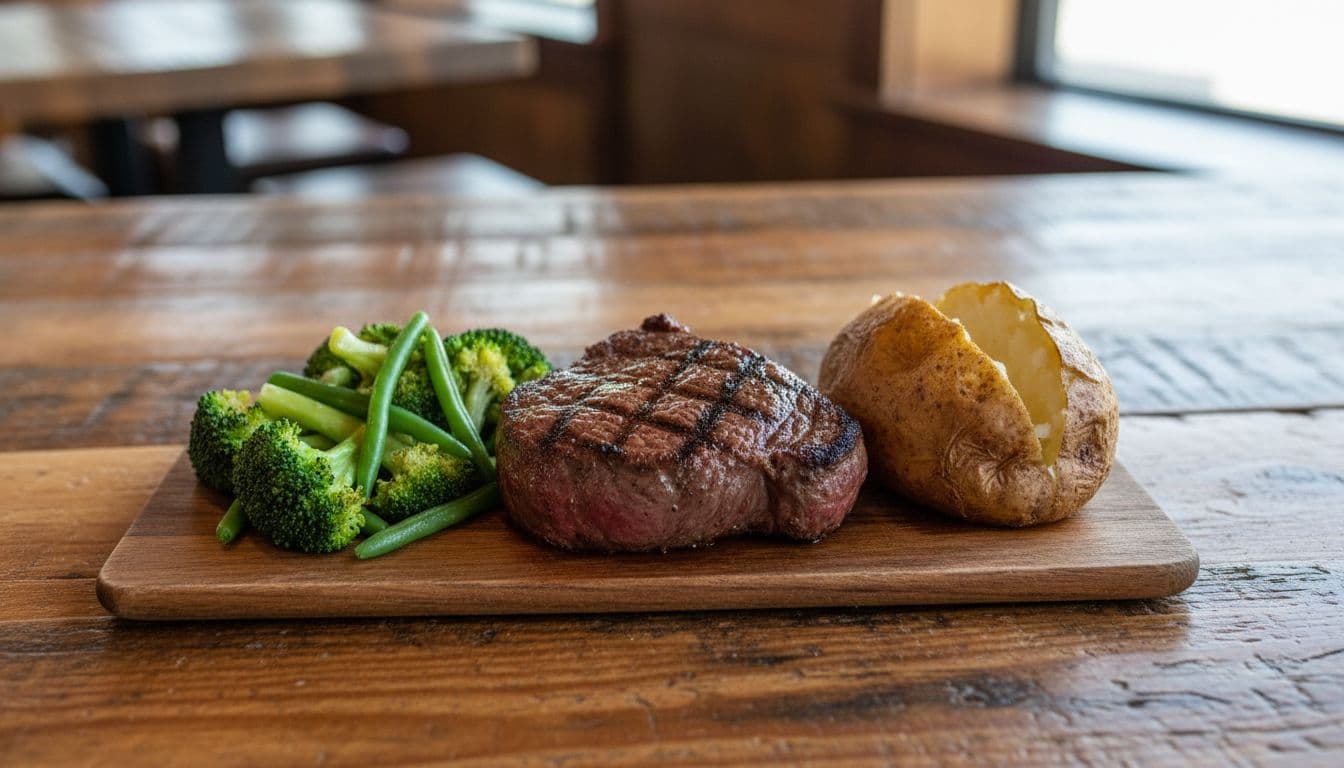
Texas Roadhouse Dallas Filet Nutrition - Top-down view of centered grilled filet steak with steamed broccoli, green beans, and halved baked potato on wooden table.

Simple ways to keep the meal lighter

Pick one lighter side, such as vegetables or a plain baked potato, and skip the heavy toppings. That one move can save a surprising number of calories.

You can also pass on extra butter, keep sauces on the side, or split a richer side with someone else. Small changes matter here because the filet already does a lot of the work for you.

Final thoughts

Texas Roadhouse Dallas Filet nutrition is easiest to sum up this way: it’s a strong high-protein steak choice with moderate calories, especially in the 6 oz portion. The 8 oz option gives you more protein, but the calorie and sodium jump is real.

The exact numbers can shift a little by source and prep. Still, if you treat these figures as solid working estimates, the Dallas Filet is one of the simpler steakhouse orders to fit into a thoughtful eating plan.

Scroll to Top